

A fascinating history weaving the lives of painters Édouard Manet and Ernest Meissonier into a tale of changing artistic tastes and the rise of modern art. Manet, whose painting style “is the foundation of modern art” that inspired both the Impressionists and Picasso, struggles to gain any traction in Napoleon III’s conservative art world.
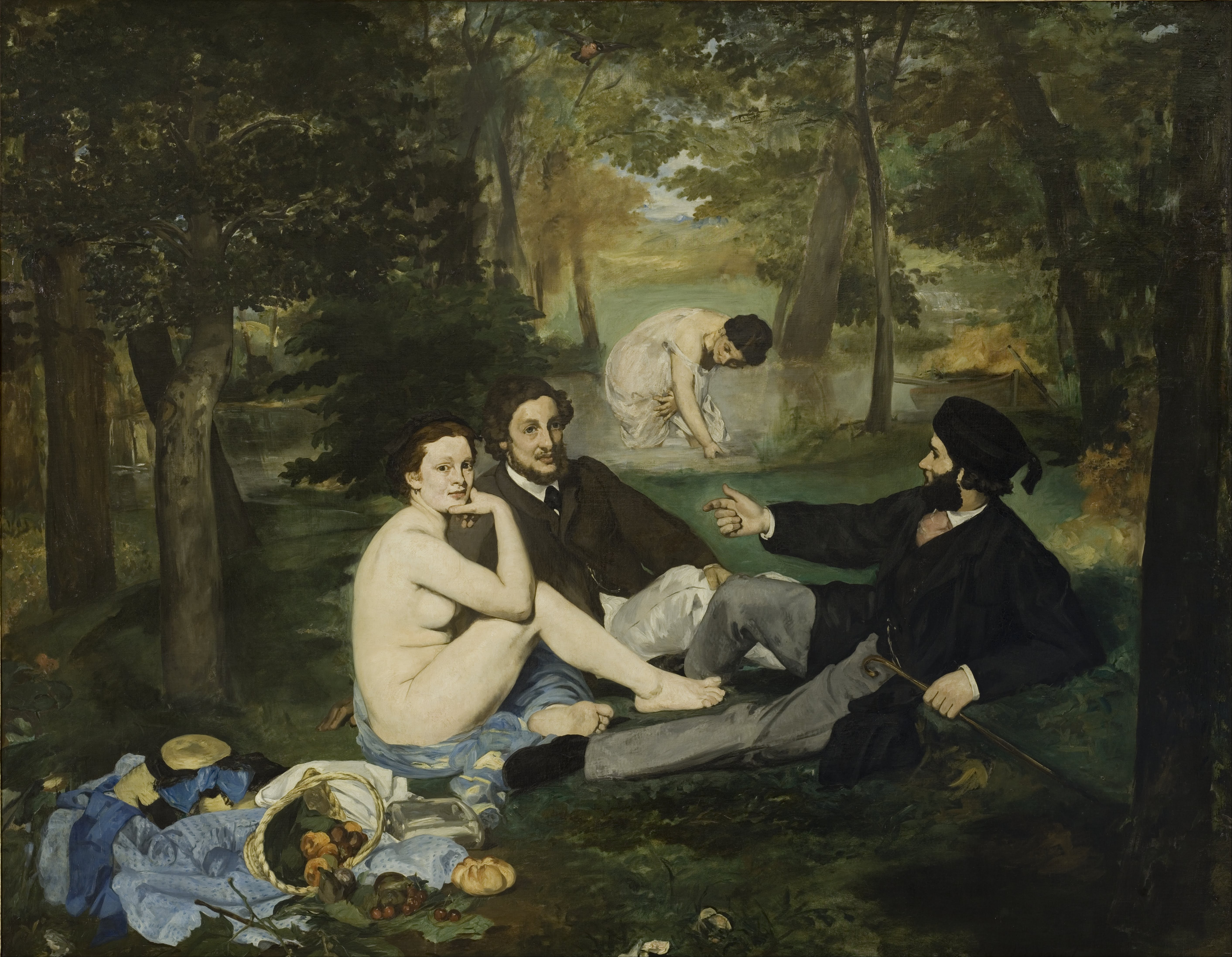
Meanwhile, the largely forgotten Meissonier commands high prices for his hyper realistic paintings glorifying Napoleonic wars and The Three Musketeers inspired bon hommes. Meissonier, who was the most celebrated artist of his time, lost relevance and respect as his interest in preserving monarchy and stifling the burgeoning modern art movements grew more well known.

The shift through the Franco-Prussian war and between conservatism and liberalism in art into the Guilded Age mirrors our modern interest in art as we live in La Vie Moderne where “what one sees is not as important as how they see or express it.” Today, Western artists are no longer expected to create meticulous reproductions of visuals with photographic accuracy. We also celebrate art that does more than denote a moral.
Truly a fascinating book worthy of a place on the shelf of anyone interested in art and Guilded Age history.


Leave a Reply